- Published on
An Introduction to Machine Learning: How Computers Learn from Data
- Authors
- Name
- Abdumajid Rashidov
- @abdumajidRashid


An Introduction to Machine Learning: How Computers Learn from Data
Machine Learning (ML) is at the heart of some of the most exciting technological advancements today. From virtual assistants like Siri to recommendation systems on Netflix, ML is how computers make intelligent decisions without being explicitly programmed.
In the words of Arthur Samuel, a pioneer in AI:
"Machine Learning is the field of study that gives computers the ability to learn without being explicitly programmed."
Let’s dive into how this works — with visuals and creative insights along the way!
What is Machine Learning?
Imagine teaching a computer to recognize handwritten digits. You feed it thousands of examples and let it figure out the patterns. Over time, it learns to predict digits it has never seen before. That’s Machine Learning!
Here’s how the ML process looks visually:

Types of Machine Learning
ML can be broadly categorized into three types. Think of these as three different ways to teach a computer!
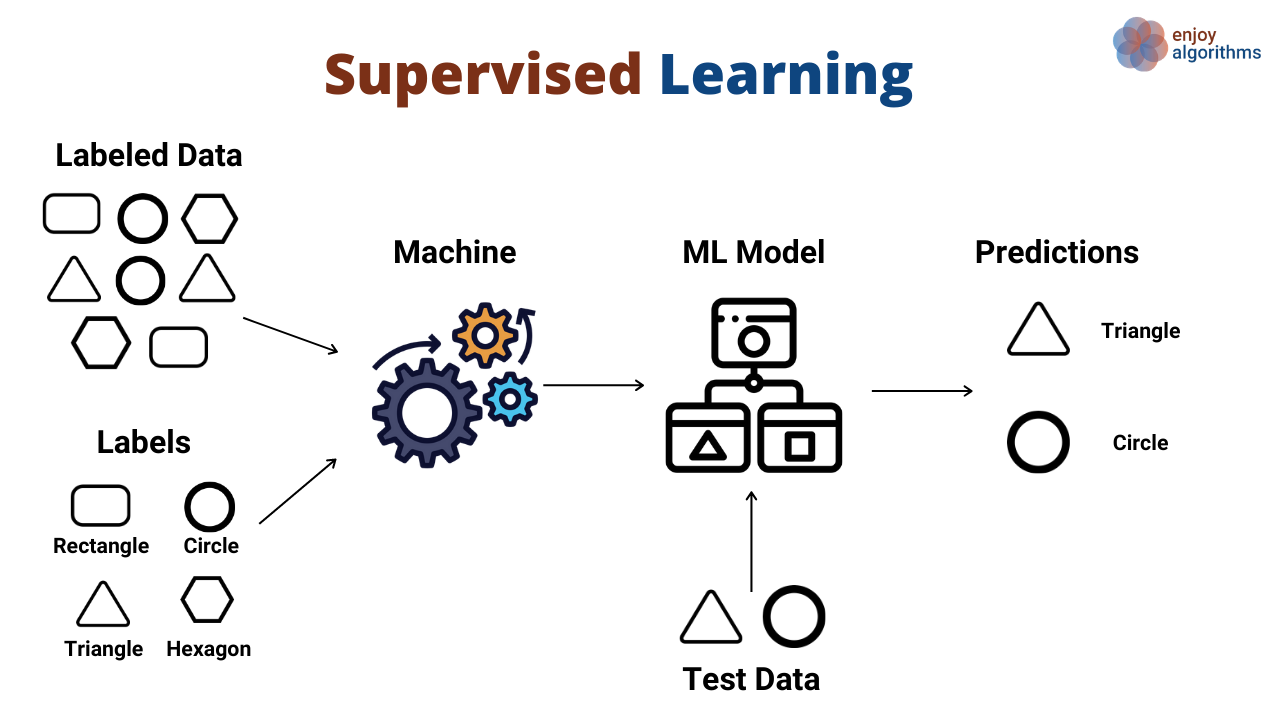
1. Supervised Learning 🧑🏫
In supervised learning, the model learns from labeled data — where each input has a corresponding output. It’s like teaching a child with flashcards.
Example:
- Predicting house prices based on features like size, location, and number of rooms.
2. Unsupervised Learning 🕵️
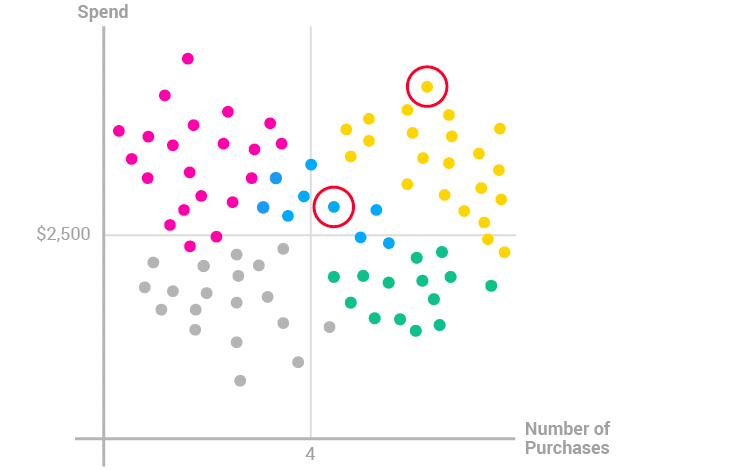
Unsupervised learning is all about discovering hidden patterns in unlabeled data. Think of it as grouping similar things together.
Example:
- Grouping customers based on purchasing behavior (Clustering).
3. Reinforcement Learning 🏆
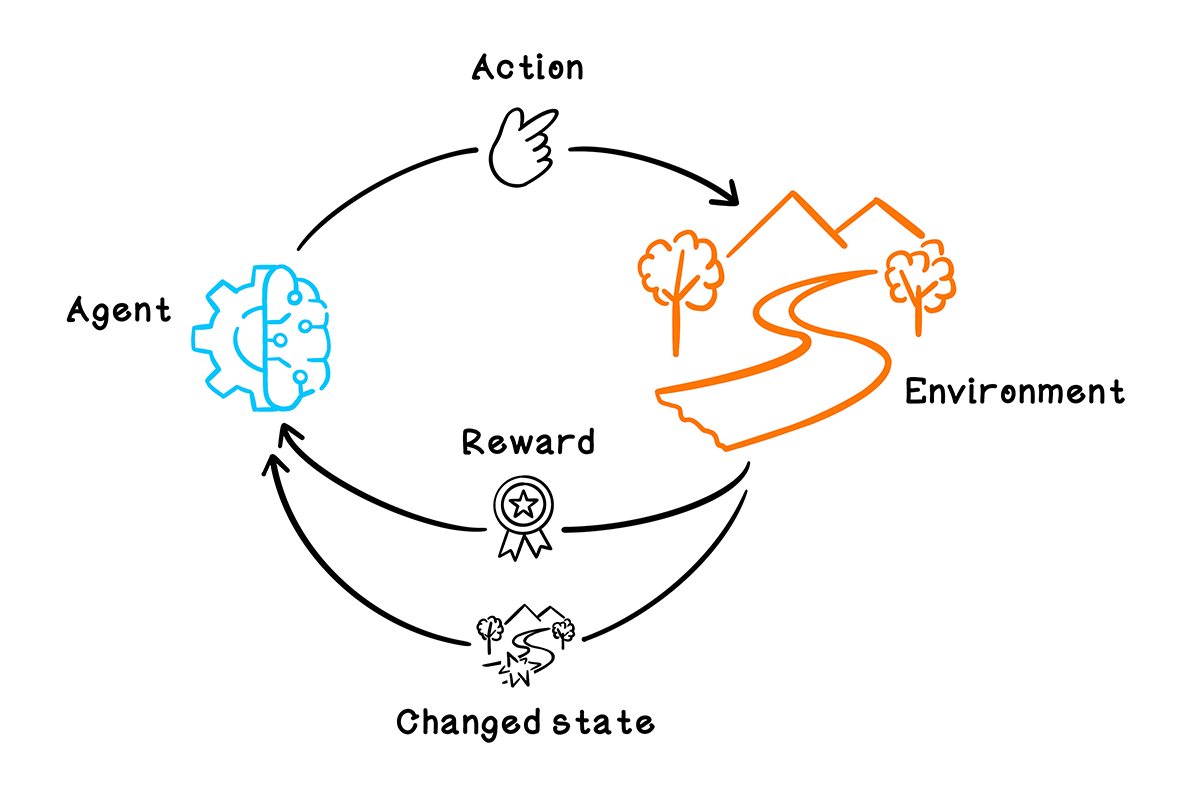
Reinforcement learning works by rewarding good actions and penalizing bad ones. It’s like teaching a dog tricks with treats.
Example:
- Training AI to play chess or drive a car.
How Machines Learn
Here’s a creative breakdown of the Machine Learning process:
Collect Data 📊
Imagine this as gathering ingredients for a recipe. Without good data, the dish (model) won’t turn out well!Train the Model 🧠
This step is like teaching a student. The model tries to understand patterns in the data.Test and Evaluate 🧐
Finally, you quiz the student on new questions to see how much they’ve learned!
Popular Applications of ML
Machine Learning powers many tools you use every day:
📱 Virtual Assistants: Siri, Alexa, Google Assistant.
🛒 Recommendation Systems: Netflix, Spotify, Amazon.
🚗 Self-Driving Cars: Tesla and Waymo.
🏥 Healthcare: Predicting diseases using patient data.
Here’s a fun visual of how ML impacts our world: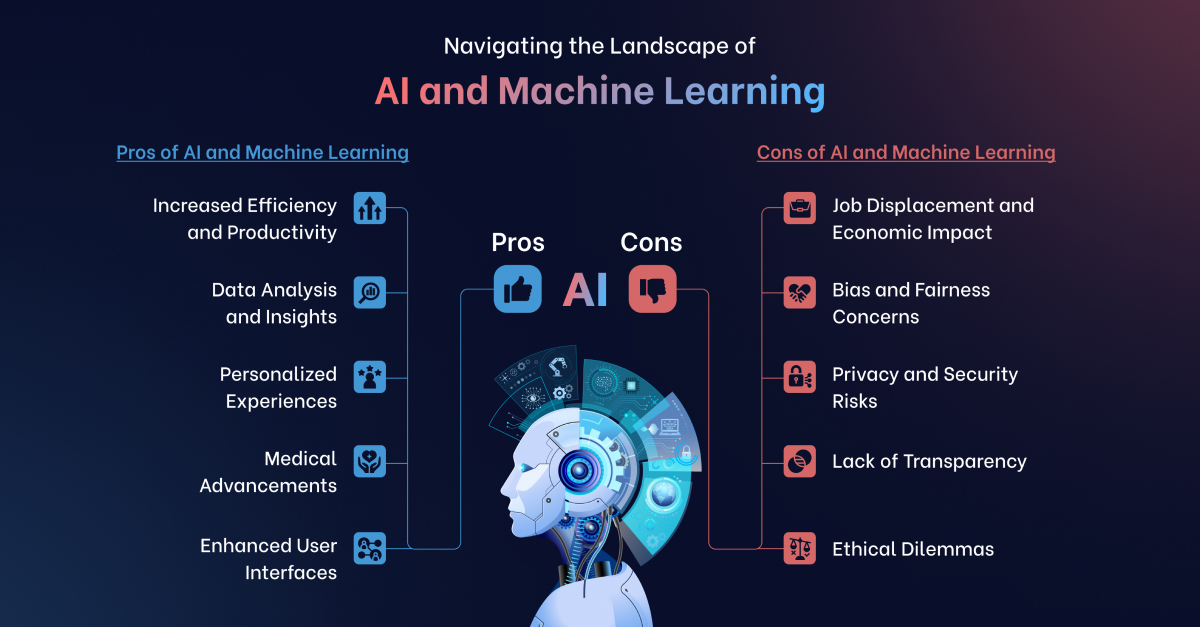
Creative Fun: Let’s Spot Cats! 🐱
Here’s an example of how a computer can learn to recognize cats:
- Feed the Algorithm: Thousands of cat and non-cat images.
- Train the Model: Identify patterns (e.g., whiskers, ears, etc.).
- Test the Model: Show it a new cat image — will it recognize it?
from sklearn.datasets import load_files
from keras.utils import np_utils
import numpy as np

# Simplified example of how training could work
data = load_files('cats_dataset')  # Cat images dataset
files = np.array(data['filenames'])
targets = np_utils.to_categorical(np.array(data['target']), 2)

print("Ready to train on cat images!")
This example is just a peek into how image recognition works using ML!
Challenges in Machine Learning
While ML is powerful, it’s not without challenges:
- 🚨 Bias in Data: Models can inherit biases from their training data.
- ⚠️ Overfitting: When a model learns the training data too well but fails on new data.
- 🔍 Explainability: Understanding why an ML model makes certain decisions can be tricky.
Conclusion
Machine Learning is changing the world, from automating tasks to creating personalized experiences. By understanding its basics, you can unlock the potential of this exciting field.
Start small, experiment, and let curiosity guide your journey into the world of Machine Learning!
Bolalar, biz yutamiz! 🚀